Bone Grafting in Chicago, IL
Rebuilding Jawbone for a Healthier, Stronger Foundation
Bone loss in the jaw can occur due to tooth loss, periodontal disease, or trauma—and when it does, it may affect your ability to receive dental implants or maintain long-term oral health. At Ramy Bahu, DDS, we offer bone grafting to restore lost bone tissue and create a stable foundation for future restorative treatments.
Our Chicago office serves patients in Streeterville, River North, South Loop, and surrounding downtown neighborhoods with advanced, personalized surgical care.
What Is Bone Grafting?
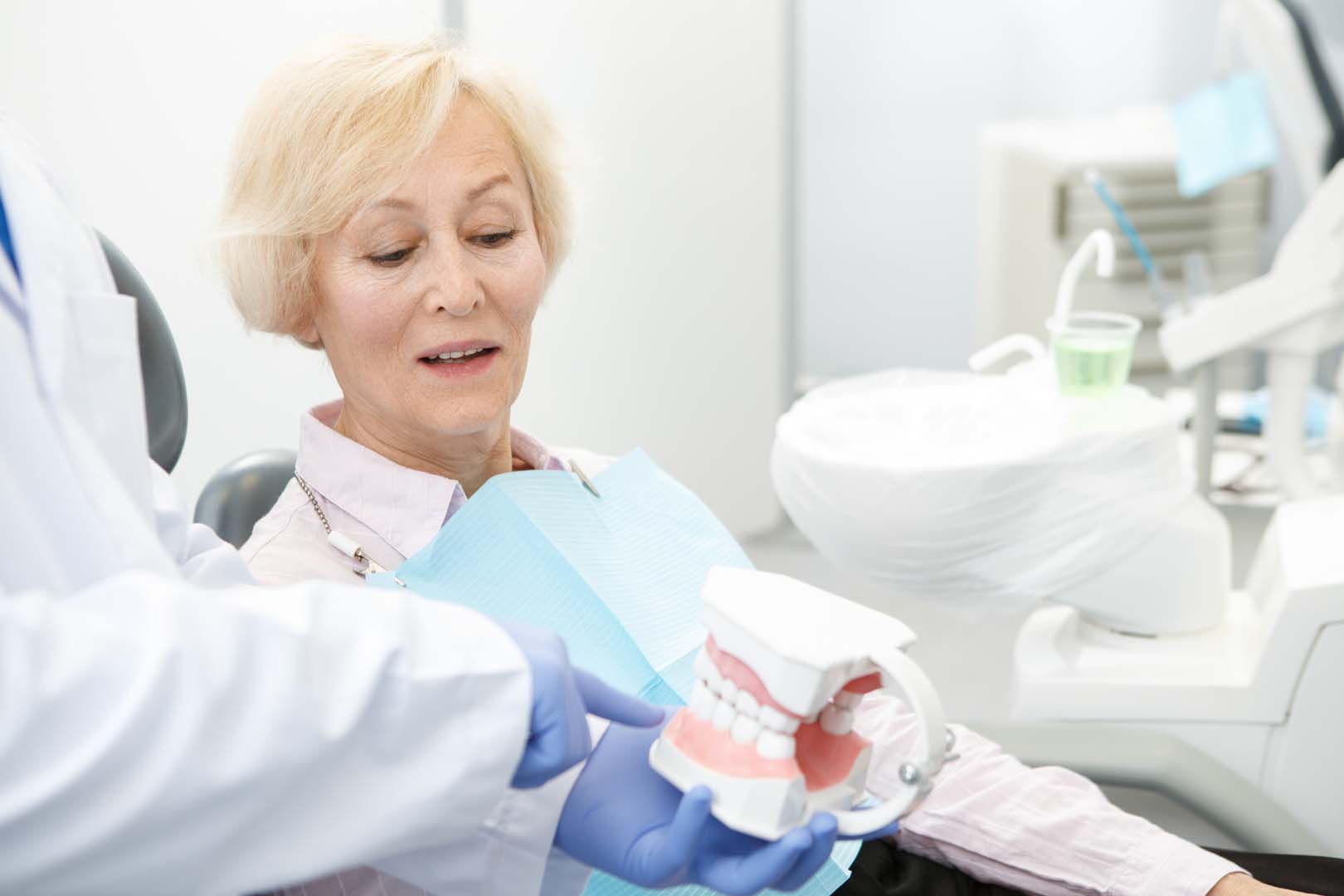
Bone grafting is a minor oral surgical procedure that rebuilds and regenerates bone tissue in areas where it has been lost or weakened. It’s often a necessary first step for patients who want to restore missing teeth with dental implants but don’t have enough bone density to support them.
During the procedure, bone material—either synthetic, donor, or harvested from your own body—is placed in the affected area. Over time, your body naturally integrates this material, generating new bone and strengthening the jaw.
When Is Bone Grafting Needed?
Bone grafting may be recommended in the following situations:
- After a tooth extraction to preserve bone volume for future restoration
- Before placing a dental implant where bone loss has occurred
- Following bone deterioration from advanced gum disease
- After oral trauma or injury that led to bone loss
- To stabilize existing dentures or prepare for implant-supported dentures
The goal is to rebuild the bone to support a long-lasting, functional restoration and prevent further changes to your facial structure.
Types of Bone Grafts We Offer
We tailor each bone graft procedure based on the extent of bone loss and your treatment goals:
- Socket Preservation Graft – Placed immediately after tooth extraction to preserve bone for future implants
- Ridge Augmentation – Restores the natural contour of the jaw after bone resorption
- Sinus Lift – Adds bone to the upper jaw near the sinus cavity, often required for upper back implants
- Minor Grafting for Implant Sites – Small grafts used to reinforce areas of minor loss during implant placement
We use biocompatible materials and modern techniques to promote faster healing and optimal integration.
What to Expect During the Procedure
- Initial Consultation and Imaging
We use digital X-rays and 3D imaging to assess the quality and quantity of your jawbone. Based on the findings, we’ll develop a customized grafting plan. - Anesthesia and Sedation (if needed)
Your comfort is a top priority. We use local anesthetic to numb the area, and sedation options are available for patients with dental anxiety. - Graft Placement
The bone graft material is carefully placed into the area of deficiency. In some cases, a membrane is also used to protect the site and aid healing. - Healing and Integration
Over the next several months, the graft will integrate with your natural bone. Once healed, we can move forward with implant placement or other restorative procedures.
Benefits of Bone Grafting
- Restores bone volume for dental implants
- Improves long-term success of restorations
- Preserves facial shape and jawline
- Prevents further bone deterioration
- Enhances stability for dentures or bridges
- Supports overall oral health and function
Without adequate bone support, dental restorations can fail or compromise the integrity of neighboring structures. Bone grafting solves this by creating a healthy, stable foundation.
Meet Your Chicago Bone Grafting Dentist
Dr. Ramy Bahu, D.D.S. brings decades of surgical and restorative experience to each bone grafting procedure. Known for his precision and gentle approach, Dr. Bahu works closely with each patient to ensure every step is carefully planned and executed for long-term success. Whether preparing for implants or restoring bone after trauma, he focuses on safety, comfort, and predictable results.
Related Restorative Treatments
After your bone graft heals, you may proceed with one of the following treatments:
- Dental Implants – Permanent replacement for one or more missing teeth
- All-on-4 Implants – Full-arch restoration using just four implants
- Implant Overdentures – A more secure alternative to removable dentures
- Full Mouth Reconstruction – For patients with extensive damage or missing teeth
FAQs About Bone Grafting
Lorem ipsum dolor sit amet, consectetur adipiscing elit. Suspendisse varius enim in eros elementum tristique. Duis cursus, mi quis viverra ornare, eros dolor interdum nulla, ut commodo diam libero vitae erat. Aenean faucibus nibh et justo cursus id rutrum lorem imperdiet. Nunc ut sem vitae risus tristique posuere.
How long does it take to heal after a bone graft?
Healing time varies depending on the extent of the graft but typically takes 3–6 months before implants can be placed.
Is bone grafting painful?
The procedure is performed under local anesthesia, and most patients report minimal discomfort afterward. Mild swelling or tenderness is normal for a few days.
Can I get a bone graft and implant on the same day?
In some cases, yes—especially with small grafts. However, larger grafts usually require a separate healing period before implant placement.
Is bone grafting necessary for everyone getting implants?
Not always. If you have sufficient bone density, grafting may not be needed. We assess this with advanced imaging during your consultation.
What type of bone is used?
We use biocompatible grafting materials, which may be synthetic, donor-derived, or occasionally from your own body, depending on your needs.
Schedule Your Bone Graft Consultation in Downtown Chicago
If you’ve experienced bone loss due to missing teeth, trauma, or periodontal disease, a bone graft may be the first step toward restoring your smile. At Ramy Bahu, DDS, we offer personalized, technology-driven solutions to help you regain function and prepare for long-lasting restorations.
Call (312) 943-6444 or request your appointment online today. Proudly serving patients from Streeterville, River North, South Loop, and all of downtown Chicago.